The Future of Real Estate and Facility Management: 8 Trends Shaping the Industry by 2027
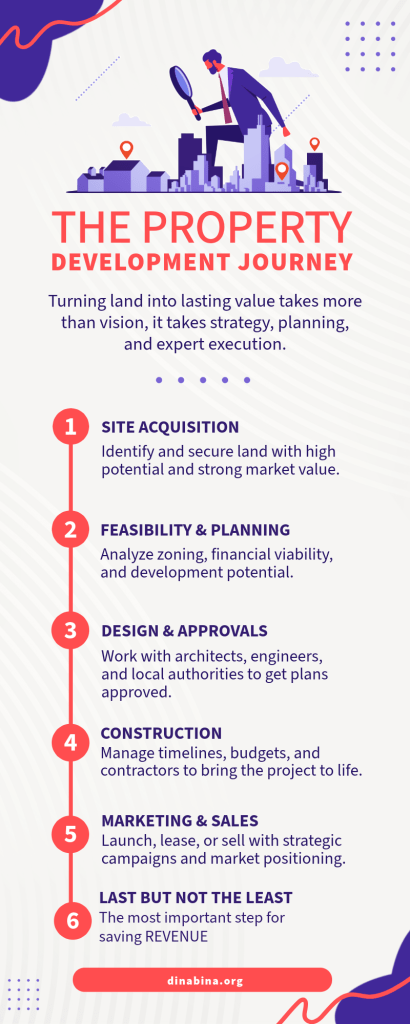
The real estate and facility management sectors are on the cusp of a transformative era, driven by rapid advancements in technology, sustainability initiatives, and changing consumer preferences. As we look toward 2027, professionals in these fields need to stay ahead of the curve. This blog post will explore eight key trends that are set to reshape the landscape of real estate and facility management.

Chapter 1: Embracing Smart Technology
In recent years, smart technology has moved from a novelty to a necessity in real estate and facility management. By 2027, we can expect a significant increase in the use of Internet of Things (IoT) devices to enhance building operations. From smart thermostats to automated lighting systems, these technologies not only improve energy efficiency but also create more personalized environments for occupants. The integration of AI tools for predictive maintenance will further streamline operations, reducing downtime and operational costs.


Chapter 2: Sustainability Takes Center Stage
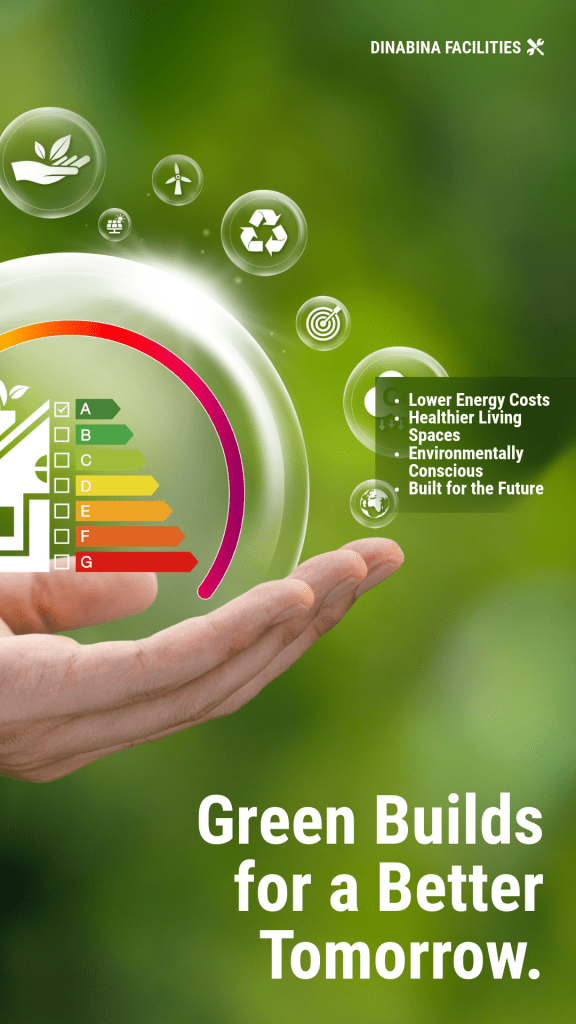
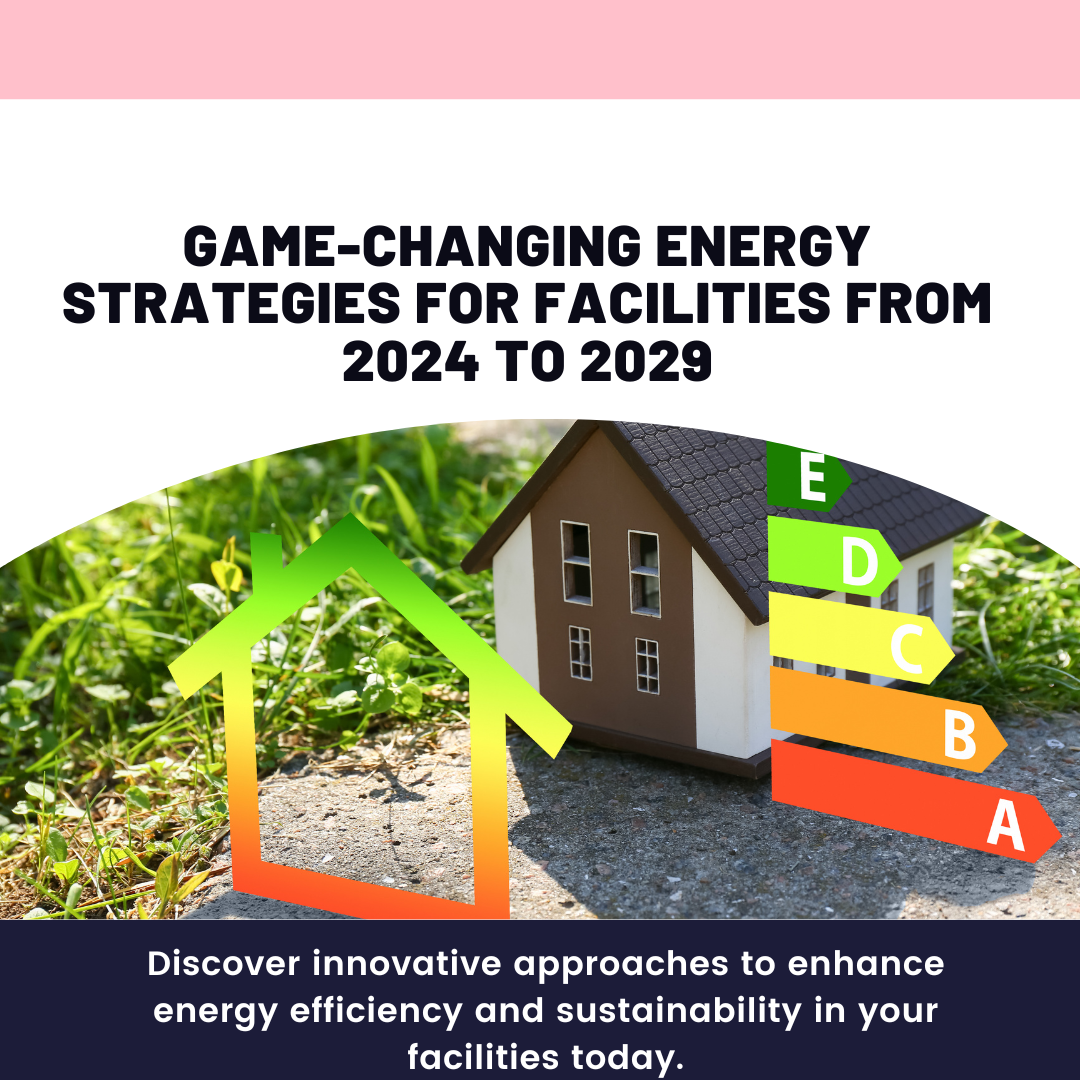
As climate change becomes an ever-pressing concern, sustainability is no longer just a trend—it’s an imperative. Real estate and facility managers will increasingly prioritize green building practices and energy-efficient designs. By 2027, we anticipate a higher demand for LEED-certified properties and retrofitting existing buildings to meet sustainability benchmarks. Alongside this, renewable energy sources will play a pivotal role in reducing utility costs and enhancing building desirability.
Chapter 3: The Rise of Remote and Hybrid Workspaces
The COVID-19 pandemic accelerated the shift to remote work, and this trend is here to stay. By 2027, facility management will need to adapt to a hybrid work model that balances office space with remote work capabilities. This will require innovative workspace designs that promote collaboration while providing flexibility. Property managers will also need to implement advanced booking systems to ensure efficient use of shared office spaces.

Time management is crucial for remote workers, where the lines between work and personal life often blur. One effective hack is to start each day by prioritizing tasks, using tools like the Eisenhower Matrix to separate urgent from non-urgent work. Setting clear, focused time blocks for specific tasks, such as the Pomodoro Technique, can help maintain productivity without burnout. Minimizing distractions by creating a dedicated workspace and establishing “office hours” also supports a structured routine. Regular breaks, along with tools like time-tracking apps, ensure that work remains efficient and balanced, ultimately enhancing both productivity and well-being.
Chapter 4: Data-Driven Decision Making
Data has become the lifeblood of modern real estate management. From market analytics to tenant preferences, data-driven insights will guide investment strategies and operational decisions. By 2027, technologies such as big data analytics and machine learning will enable property managers to forecast trends, enhance tenant satisfaction, and optimize pricing strategies in real-time, making it essential for industry players to embrace these tools.
Chapter 5: Increased Focus on Wellness and Well-Being
As awareness of mental and physical well-being grows, properties that prioritize health will have a competitive edge. By 2027, we will see more buildings designed with wellness in mind, incorporating features like natural lighting, air quality monitoring, and outdoor spaces. Facility managers will be tasked with creating environments that foster well-being, leading to higher occupancy rates and tenant retention.
Chapter 6: Shift in Demographics and Urbanization
The demographics of tenants and buyers are shifting, with Millennials and Generation Z increasingly entering the housing market. These groups prioritize accessibility, community features, and sustainable living. By 2027, cities will need to adapt by creating mixed-use developments that meet these demands, making urban environments more livable and appealing. Facility managers will play a critical role in ensuring that properties cater to the needs of this evolving demographic.
Chapter 7: Enhanced Cybersecurity Measures
As the reliance on technology increases, so does the risk of cyber threats. By 2027, the real estate and facility management industries must adopt robust cybersecurity protocols to protect sensitive data related to tenants and operations. This includes investing in secure networks and educating staff on best practices to mitigate potential breaches. The importance of protecting personal information will become paramount in maintaining trust and credibility within the industry.
Chapter 8: Innovations in Property Financing
Lastly, the methods for funding real estate ventures are also evolving. Crowdfunding and blockchain technology are paving the way for new investment avenues, making real estate investments more accessible to diverse investors. By 2027, we can expect continued innovation in financing structures that democratize real estate investment, allowing for greater participation and more vibrant market dynamics.
Property financing methods are evolving rapidly, driven by technological advancements and changing market dynamics. Traditional bank loans are being complemented by innovative solutions like crowdfunding platforms, which allow multiple investors to contribute to property deals. Fintech companies are offering more flexible mortgage options, leveraging AI and big data to assess creditworthiness and streamline the approval process. Additionally, blockchain technology is paving the way for smart contracts and tokenized real estate, making property transactions more transparent and efficient. These evolving methods are broadening access to real estate investment and making financing more adaptable to modern needs.

Conclusion
As we move closer to 2027, the real estate and facility management sectors will undergo significant transformations, shaped by technology, sustainability initiatives, changing demographics, and evolving consumer preferences. To thrive in this new landscape, industry professionals must remain informed about these trends and adapt their strategies accordingly. Embracing change will not only enhance operational efficiency but also improve tenant satisfaction and ultimately lead to greater success in this ever-evolving industry. The future is bright for those ready to seize the opportunities that lie ahead.
“Together, We Keep It Alive”
Words find meaning when hearts stay connected.
If this reflection reached you, your small act of support keeps the light of shared purpose alive.
Please write to us at dinabinamarigold@gmail.com for an invoice, if required.